
Residential Roofing Austin TX
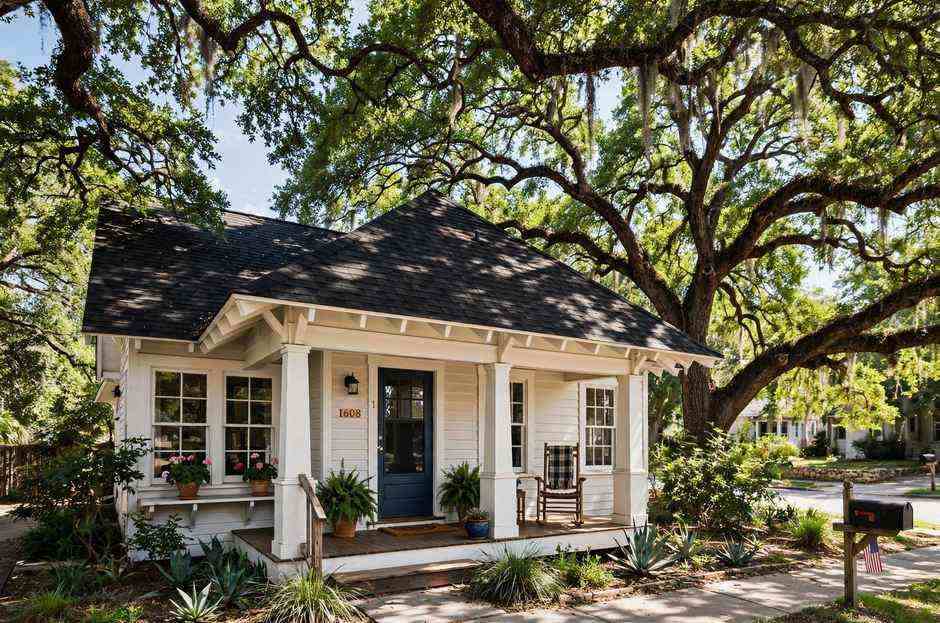
Residential roofing in Austin means more than nailing down shingles. It means picking a system that survives 100-degree summers, spring hail and the oak canopy hanging over half the city's roofs — and installing it so the attic can breathe.
Service overview
What Residential Roofing in austin actually covers
Residential roofing in Austin is the design, installation, repair and maintenance of the roof system over a single-family home. That covers the covering, the deck, underlayment, flashing, ventilation and gutters as one system, installed to the 2024 code family in force in Austin since 10 July 2025.
! Common warning signs
Ceiling stains and unexplained drips after rain
Water that reaches your ceiling has already crossed the underlayment and likely soaked the decking. Left alone, it rots framing and insulation, and the repair grows from a flashing fix into a section rebuild.
Curling, cracked, or missing shingles
Curling shingles mean the mat has dried out, and missing tabs let wind-driven rain straight into the deck. A small patch becomes a slope replacement when curling is widespread — which is common on Austin roofs after the 2023–25 hail sequence.
Clogged gutters and water at the foundation
When gutters back up, water runs behind the fascia and down the foundation. That leads to soffit rot, fascia damage and slab movement — a particular risk east of I-35, where expansive Blackland clay already moves with every wet and dry cycle.
Scope of work
What is included in Residential Roofing in austin
Every replacement we quote covers the full roof assembly, not just the shingles. Here is what is standard on our jobs, and what we check before we quote.
-
01
Full tear-off and disposal
We strip the old roof down to the deck, load every bundle into a dumpster, and haul it away. Leaving old layers in place hides rot and adds weight.
-
02
Deck inspection and repair
Soft or rotted decking gets replaced before the new roof goes on. We check every panel and show you photos of what needed replacing and why.
-
03
Underlayment and flashing
New roof underlayment, ice and water shield in valleys and eaves, drip edge, and sealed flashing at chimneys, walls and skylights go in as one system.
-
04
Ventilation and cleanup
We install ridge vents and check soffit intake so the attic breathes. Then we sweep for nails with magnets and leave the yard as we found it.
Why austin homeowners choose our crews
A roof is the most expensive thing most homeowners ever replace, and the cheapest bid is rarely the cheapest roof. Here is what you get when the scope is written properly: a dry deck, sound flashing and ventilation that works.
Book an inspectionTools and methods we bring to your roof
Roofing nail gun
A nail gun drives fasteners at the maker's specified depth and pattern, which keeps shingles seated through wind events and prevents overdriven nails from cutting the mat.
Shingle ripper and pry bar
A shingle ripper and pry bar strip old layers without damaging the decking underneath, so we can inspect and reuse sound panels instead of replacing the whole deck.
Chalk line and roofing square
A chalk line and roofing square keep courses straight and reveal out-of-square decking early, which matters on older Austin homes where the framing has settled over decades.
Fall protection harness
Harnesses keep our crews safe on steep pitches and two-storey homes, and they go up on every job. A crew that works tied off works carefully — and carefully is what a roof needs.
Local execution
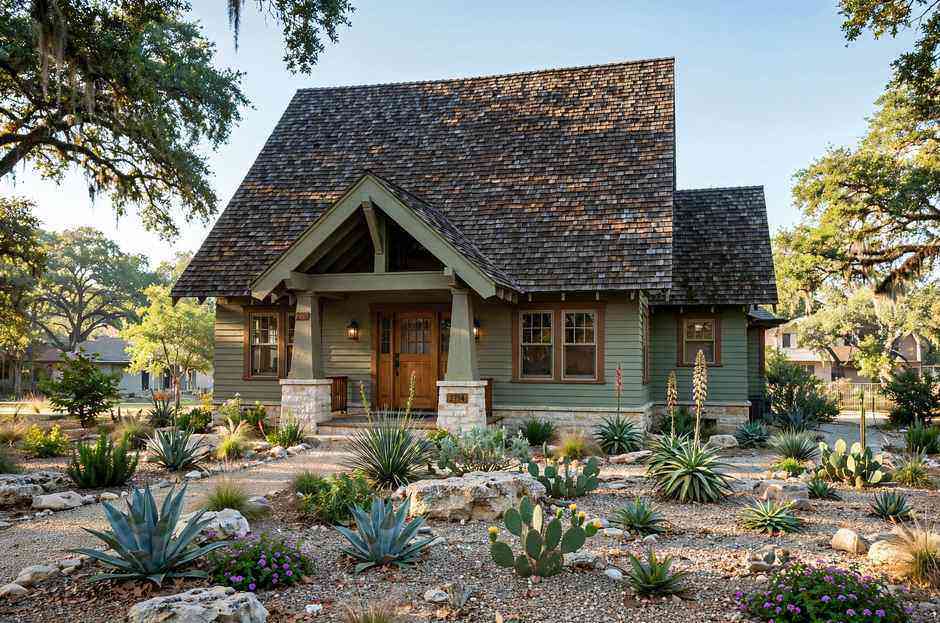
Austin roofs face a specific set of pressures. Summer heat ages shingles faster than national figures suggest — locally, shingle life runs about 18–22 years — spring hail bruises what is left, and the oak canopy drops branches and debris into valleys across Hyde Park, Travis Heights, Bouldin Creek and the northwest hills. The housing stock decides the detail: 1890s–1930s Victorians and bungalows in Hyde Park with steep pitches and shiplap decking, 1950s–60s ranches in Allandale and Crestview on second or third coverings, and 1990s production roofs in Circle C Ranch hitting replacement age together. See the best roofing materials for Austin homes and neighbourhoods and how to maintain your roof in Austin's heat and storms.
Residential roofing work across these Austin neighbourhoods:
Typical Roofing Work in Austin
Storm response when your roof cannot wait
We answer the phone day or night
When a storm opens your roof, every hour of rain does more damage to the decking and ceilings. Our phone line is open 24 hours, every day, and we tarp first so the interior stays dry while the permanent repair is scoped.
How our residential roofing process works
Inspection and photos
We walk the roof, check the attic side for ceiling stains and daylight, and photograph the flashing, valleys and penetrations. You see what we see, and the scope is written from those photos.
Scope and material options
We lay out repair versus replacement, show you the covering options and explain what each one costs and how long it lasts in Austin conditions. No pressure — the estimate is free and the decision is yours.
Tear-off and deck inspection
On replacement day the crew strips the old roof, checks every sheet of decking for rot, and replaces soft panels before anything goes back down. The deck is the foundation of the whole job.
What Residential Roofing in austin costs
We do not publish prices for our own work. Call us for a free inspection and a free written estimate: the figure depends on roof size and pitch, material choice and deck condition.
Roof size and pitch
Larger roofs need more material and labour, and steep pitches slow the crew down and require more fall protection. A two-storey home with dormers and valleys is a different job from a single-storey ranch of the same footprint.
Material choice
Architectural shingles cost less than standing seam metal or clay tile, but metal and tile last longer and reflect more heat. We show you the options on the same scope so you can weigh up-front cost against service life in Austin's climate.
Decking condition
Soft or rotted panels add to the scope once the old roof comes off. We check the deck during the estimate where possible and price the repair before work starts, so it is in the estimate rather than a surprise.
Our Google Rating
Residential roofing questions, answered
How much does residential roofing cost in austin TX?
We give a free inspection and a free written estimate after walking the roof. We do not publish prices, because the figure depends on roof size, pitch, material and deck condition.
Who is the best residential roofer in austin Texas?
The best roofer is the one who shows you photos, writes a clear scope with materials named, and answers the phone after the job. Ask whether they check the deck, how they handle flashing, and what the estimate actually includes — then compare the scopes, not just the bottom lines.
Do you offer home roofing near me in austin TX?
Yes. We work across Austin, including Hyde Park, Zilker, Mueller, Circle C Ranch and Northwest Hills. Call (469) 779-9940 and we will confirm whether we cover your neighbourhood.
What is included in residential roofing in austin Texas?
A standard replacement includes tear-off, deck inspection and repair, ice and water shield in valleys and at penetrations, underlayment, new drip edge, ridge ventilation and the covering itself, with flashing rebuilt at chimneys, walls and skylights.
Related services
Roof Replacement
When repairs stop making sense, a full roof replacement resets the clock on your home. We tear off to the deck, replace soft panels, and rebuild the system to the 2024 code family in force in Austin.
Roof Repair
Missing shingles, flashing leaks and wind-lifted tabs get fixed fast so small problems do not rot your decking. Most roof repairs are done in a day once the scope is agreed.
Get your Residential Roofing in austin quote today
We inspect, photograph, and price your roof with no pressure and no surprises. Call Clark & Sons Roofers LLC at (469) 779-9940 and book a free inspection — our phone line is open 24 hours.