
Clark & Sons Roofers LLC logo Clark & Sons Roofers LLC
Great Hills Roofing

Roofing in Great Hills Built for Canyon-Rim Roofs

Great Hills was platted in the late 1970s and 1980s and is overwhelmingly 1980s-90s single-family, from 1,800 square foot garden homes to showpieces of more than 4,000 square feet on golf-course and canyon rims. 1980s-90s pitched shingle roofs, tile on Spanish and Mediterranean-influenced larger homes, and low-slope sections on cedar-and-glass 1980s moderns. Canyon terrain with streets curving with the land and dropping toward the wooded creek in Great Hills Park, thin limestone soils, slope drainage, and mature live oaks. Call (469) 779-9940 for a free inspection and a free written estimate — we are open 24 hours, every day.

24/7
Open 24 hours, every day
4.9
Google rating · 36 reviews
post-storm debris season
Right now in Great Hills

About this area

Roofing in Great Hills: The canyon-rim roof

Why we work in Great Hills

Roofing in Great Hills means working with the canyon-rim roof — Great Hills was platted in the late 1970s and 1980s and is overwhelmingly 1980s-90s single-family, from 1,800 square foot garden homes to showpieces of more than 4,000 square feet on golf-course and canyon rims. Canyon terrain with streets curving with the land and dropping toward the wooded creek in Great Hills Park, thin limestone soils, slope drainage, and mature live oaks.

Great Hills was platted in the late 1970s and 1980s and is overwhelmingly 1980s-90s single-family, from 1,800 square foot garden homes to showpieces of more than 4,000 square feet on golf-course and canyon rims. 1980s-90s pitched shingle roofs, tile on Spanish and Mediterranean-influenced larger homes, and low-slope sections on cedar-and-glass 1980s moderns.

Canyon terrain with streets curving with the land and dropping toward the wooded creek in Great Hills Park, thin limestone soils, slope drainage, and mature live oaks. West of I-35, on thin limestone soils, where slope and drainage — not clay movement — shape the roofing story. Related reading: Best roofing materials for austin homes and neighborhoods and Metal vs shingle roofing in austin which lasts longer, and our Tile Roofing and Roof Replacement pages.

How we work locally

How We Handle Roofing in Great Hills

Challenge: Canyon-rim exposure

Start on the rim: canyon and golf-course lots take wind and hail first.

Solution: On exposed lots we look hardest at ridge, hip and edge detailing, because wind finds the weak points there before it finds them anywhere else.

Challenge: Tile, shingle and low-slope on one street

Then the street itself: tile, shingle and low-slope can sit side by side on one block.

Solution: Each roof is read for what it is — tile weight and underlayment, shingle age, low-slope drainage — rather than running one checklist over three different roof types.

Nearby areas we also serve

Great HillsNorthwest HillsArboretumBull CreekSpicewoodLoop 360 Corridor

Service area

Great Hills

Latitude: 30.4013

Extract Directions

Case files

Roof pattern: 1

Loop 360 corridor

The pattern

Homes on canyon rims and golf-course edges sit open to wind and hail, with no canopy shelter to break a storm.

What an inspection looks for

We check ridge, hip and edge detailing closely on exposed lots, where wind finds every weak point first.

Why it matters

A roof with this pattern needs an inspection before any work is planned — call (469) 779-9940 for a free inspection and a free written estimate.

Roof pattern: 2

Great Hills Country Club area

The pattern

Great Hills has tile on Spanish-influenced homes, shingle on 1980s production homes and low-slope sections on cedar-and-glass moderns, sometimes on the same street.

What an inspection looks for

An inspection reads each roof for what it is — tile weight and underlayment, shingle age, low-slope drainage — rather than applying one checklist to all three.

Why it matters

A roof with this pattern needs an inspection before any work is planned — call (469) 779-9940 for a free inspection and a free written estimate.

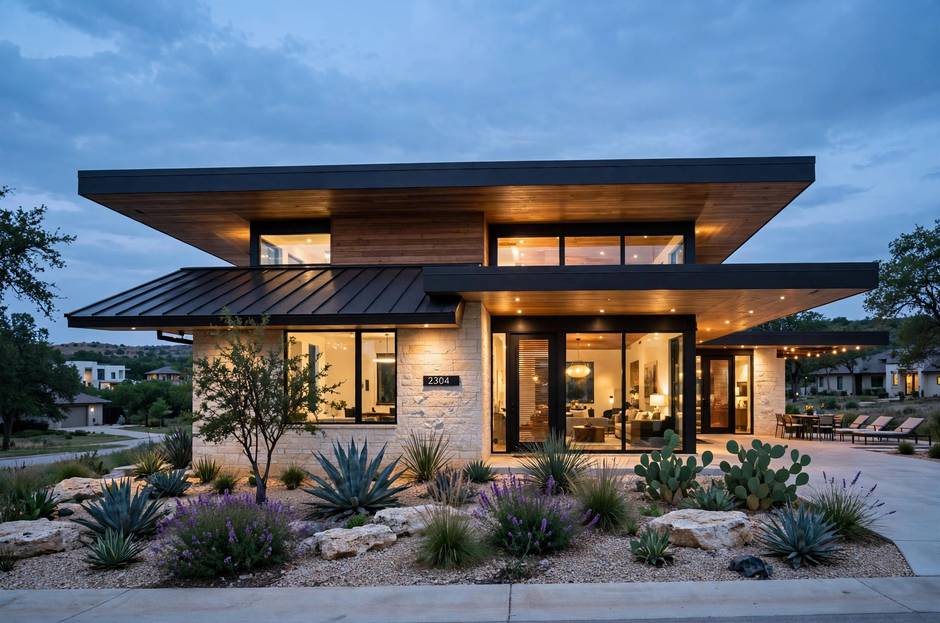
Modern Austin home with a low-slope standing seam roof at dusk
Our track record
Our track record

Field Evidence from Great Hills Roofs

What Great Hills Roofs Tell an Inspector

An inspector in Great Hills starts with the land, not the shingles. Canyon terrain with streets curving with the land and dropping toward the wooded creek in Great Hills Park, thin limestone soils, slope drainage, and mature live oaks. The hail sequence — 24 September 2023, when hail reached 4.0 inches and losses across Travis and Williamson counties ran to about $600 million; 9 May 2024; and 28 May 2025, with golf-ball hail — has hit the canyon rims and golf-course edges hardest, where there is nothing to break the wind. The answer comes from the roof itself — covering, decking, flashing, drainage — reported in writing after a free inspection, and the business’s 4.9-star rating across 36 Google reviews rests on inspections done that way.

36
Google reviews · 4.9 stars

Local questions

How much does Roofing cost in Great Hills?

Roofing costs in Great Hills depend on roof size, pitch, material and condition, so no price is published here. Call (469) 779-9940 for a free inspection and a free written estimate for your own roof.

Who is the best Roofing contractor in Great Hills TX?

Ask for a free inspection and a free written estimate, and check the business's record before you sign anything. Texas has no state roofing licence, so ask about contractor registration with the City of Austin, references and a written scope instead.

Is there 24/7 Roofing in Great Hills?

Yes — Clark & Sons Roofers LLC is open 24 hours, every day. Call (469) 779-9940 any time, including after a storm.

Trust & credentials

What to Check Before Hiring a Roofer in Great Hills

There is no state roofing licence in Texas, and no state general-contractor licence either, so a Great Hills homeowner has no licence register to consult. Before hiring anyone, ask about contractor registration with the City of Austin, ask for references, and get the scope, materials and timing in writing before work starts. Clark & Sons Roofers LLC offers a free inspection and a free written estimate; call (469) 779-9940, open 24 hours, every day.

Free inspection and free written estimate
Open 24 hours, every day
Texas Department of Insurance - Roofing Contractor
When To Call

Signs You Need Roofing in Great Hills

Your roof gives warning signs before it fails, and on a canyon rim the signs arrive with the wind. Canyon terrain with streets curving with the land and dropping toward the wooded creek in Great Hills Park, thin limestone soils, slope drainage, and mature live oaks. If any of them look familiar, call (469) 779-9940 for a free inspection; early is cheap, late is not.

1. Ceiling stains or brown rings

A stain or brown ring on the ceiling means water is already through the deck and into the drywall. By the time it shows, the leak has usually been active for weeks — flashing, a shingle or a vent is the usual source.

2. Shingles in the yard after a storm

Shingles in the yard after a storm mean wind has lifted and torn them from the roof. The underlayment and deck are exposed even if nothing leaks yet, and on an exposed rim lot the next storm will find the gap.

3. Granules collecting in gutters

A steady accumulation of granules in the gutters means the shingles are near the end of their life — a few granules are normal, a season’s worth is a warning, and granule loss usually precedes leaks.

4. Moss or dark streaks on the roof

Moss and dark streaks thrive in the shade under the oak canopy. Moss holds moisture against the shingles and can lift their edges; the streaks are cosmetic, but they still signal damp that should be looked at.

5. Sagging roof deck or soft spots

A sagging roofline or a soft spot underfoot means the decking has been compromised, often by long-term water damage or rot. That is structural, and it needs immediate attention.

Local Problem Patterns

Common Roofing Problems in Great Hills

In Great Hills, Canyon terrain with streets curving with the land and dropping toward the wooded creek in Great Hills Park, thin limestone soils, slope drainage, and mature live oaks. Austin's dated hail sequence — 24 September 2023, with hail up to 4.0 inches and heavy losses across Travis and Williamson counties; 9 May 2024; and 28 May 2025, with golf-ball hail — has hit every neighbourhood on this site.

Wind and hail exposure on canyon-rim and golf-course lots

Why it happens here

Homes on canyon rims and golf-course edges sit open to wind and hail, with no canopy shelter to break a storm.

What an inspection looks for

We check ridge, hip and edge detailing closely on exposed lots, where wind finds every weak point first.

Tile-versus-shingle choice on the same streets

Why it happens here

Great Hills has tile on Spanish-influenced homes, shingle on 1980s production homes and low-slope sections on cedar-and-glass moderns, sometimes on the same street.

What an inspection looks for

An inspection reads each roof for what it is — tile weight and underlayment, shingle age, low-slope drainage — rather than applying one checklist to all three.

Low-slope sections on 1980s cedar-and-glass moderns

Why it happens here

The Arboretum sits beneath mature oaks at the edge of Great Hills, and the homes around it are Great Hills homes with Great Hills roofs.

What an inspection looks for

We treat Arboretum-area houses as part of this neighbourhood's 1980s-90s stock, not as a separate place.

Slope drainage and thin limestone soils

Why it happens here

In Great Hills, slope drainage and thin limestone soils follows the same local pattern: Canyon terrain with streets curving with the land and dropping toward the wooded creek in Great Hills Park, thin limestone soils, slope drainage, and mature live oaks.

What an inspection looks for

An inspection looks at the actual roof — its covering, decking, flashing and drainage — and reports what it finds in writing. Call (469) 779-9940 for a free inspection.

Reviews from Great Hills Customers

4.9

Great Hills homeowners rate Clark & Sons Roofers LLC 4.9 stars across 36 Google reviews.

Read the reviews on Google, then call (469) 779-9940 for a free inspection and a free written estimate. We are open 24 hours, every day.

Local Pricing

What Roofing in Great Hills Costs

No price is published here, because Great Hills roofs are priced one roof at a time. A free written estimate turns on roof size and pitch, material choice, and the extent of the work — decking, flashing and drainage included. Austin builds under the 2024 code family, in effect since 10 July 2025, and a like-for-like residential re-roof is generally permit-exempt unless the home is in a Wildland-Urban Interface zone and the job replaces at least half the roofing, more than 128 square feet of decking, or is structural, commercial or in a floodplain.

Roof size and pitch: Great Hills runs from 1,800 square foot garden homes to showpieces of more than 4,000 square feet on canyon and golf-course rims, so the roof area — and the exposure that comes with it — varies more here than on most Austin streets.

1

Roof pitch and complexity

Pitch and complexity drive the work: canyon-rim and golf-course lots take wind head-on, tile adds weight, and the low-slope sections on cedar-and-glass 1980s moderns need their own drainage detailing.

2

Material choice

Material choice: on these streets the live question is shingle against tile, and the answer turns on pitch, structure and drainage — a tile roof asks more of the frame than a shingle roof, and a low-slope modern asks for neither.

3

Tree debris and access

Tree debris and access decide the work: canyon-rim and golf-course lots take wind head-on, live-oak debris fills valleys fast, and steep, wooded access means the crew plans the route before the first bundle goes up — all of it is in the written estimate.

We are open 24 hours, every day. Call (469) 779-9940 for a free inspection and a free written estimate.

Year-Round Coverage

How Seasons Affect Roofing in Great Hills

Great Hills’ year is written by its slopes. The canyon terrain and golf-course rims take wind and hail first, and the three dated storms — 24 September 2023, with hail up to 4.0 inches and heavy losses across Travis and Williamson counties; 9 May 2024; and 28 May 2025, with golf-ball hail — are the events every roof here is measured against.

Spring

March to May accounts for most of Austin’s hail, so spring on the canyon rim is inspection season: after the first big storm, a look at shingles, tile and flashing catches damage while it is still fresh.

Tip: get the roof inspected and the gutters cleaned in spring, once the first hail event has passed, and keep the written findings.

On an exposed lot, spring hail does its worst at the ridge and edges — the first places an inspector checks.

Summer

Austin is a hot-humid climate, and shingle life here runs about 18 to 22 years rather than the 25 to 30 years quoted nationally, with heat and UV doing steady work between storms — harder still on a sun-struck canyon rim.

Tip: check the attic ventilation is balanced and the gutters are clear before the hottest weeks, so heat and debris do not stack up together.

Tile handles the heat differently from shingle, but its underlayment still ages — summer is when that difference starts to show.

Fall

Fall drops the live oaks’ leaves into gutters and downspouts, and the cooler temperatures make it a good season for planned roof work on the larger Great Hills homes.

Tip: clear the gutters and valleys in fall, and plan the bigger roof work before winter.

Slope drainage matters most in fall: a valley full of leaves sends water where the thin limestone soils cannot take it.

Winter

A mild Austin winter still brings freezes, and a freeze will expose the leaks and flashing problems that summer hid.

Tip: look for leaks and book a roof inspection before the first freeze.

A freeze on a canyon rim finds the flashing gaps first — the wind has already tested them all year.

Hiring Smart

Questions to Ask a Roofing Contractor in Great Hills

Five questions, answered in writing before anything is agreed, are how a Great Hills homeowner sorts roofing contractors.

  1. 1

    “Is there a state roofing licence in Texas?”

    Why it matters

    Texas issues no state roofing licence and no state general-contractor licence, so the checks that matter are City of Austin contractor registration, references, and a written scope.

  2. 2

    “What does the written scope cover?”

    Why it matters

    The scope should name the materials, the work included, the decking and flashing work and the timing, so the job holds no surprises once the old covering comes off.

  3. 3

    “What is covered, and for how long, in writing?”

    Why it matters

    Ask what is covered, for how long, and what is not covered — then check that the written estimate says the same thing.

  4. 4

    “Will I get a free written estimate?”

    Why it matters

    The estimate comes after a free inspection of the actual roof; a price given over the phone for an unseen canyon-rim roof is a guess.

  5. 5

    “Can you provide references?”

    Why it matters

    References from Great Hills streets let you check the record on roofs like yours before you sign anything.

Knowing the Area

Landmarks We Use to Navigate Great Hills

The landmarks of Great Hills are useful for finding your way around the neighbourhood, and they sit among the same roofs described on this page: Great Hills was platted in the late 1970s and 1980s and is overwhelmingly 1980s-90s single-family, from 1,800 square foot garden homes to showpieces of more than 4,000 square feet on golf-course and canyon rims. Canyon terrain with streets curving with the land and dropping toward the wooded creek in Great Hills Park, thin limestone soils, slope drainage, and mature live oaks.

Landmarks

  • Great Hills Country Club

    Great Hills Country Club sits among the 1980s-90s pitched shingle roofs, tile on Spanish and Mediterranean-influenced larger homes, and low-slope sections on cedar-and-glass 1980s moderns described on this page, and the roofs around it face the same hail, heat and oak-debris wear as the rest of Great Hills.

  • Arboretum Shopping Center

    Roofs near Arboretum Shopping Center are part of the same stock as the rest of Great Hills. Great Hills was platted in the late 1970s and 1980s and is overwhelmingly 1980s-90s single-family, from 1,800 square foot garden homes to showpieces of more than 4,000 square feet on golf-course and canyon rims. What decides the work is what an inspection of the actual roof finds. Call (469) 779-9940 for a free inspection.

  • Bull Creek District Park

    Around Bull Creek District Park, the local roofing story is the same as the rest of Great Hills: Canyon terrain with streets curving with the land and dropping toward the wooded creek in Great Hills Park, thin limestone soils, slope drainage, and mature live oaks. A free inspection reports the roof's covering, decking, flashing and drainage in writing.

Commercial Districts

  • Arboretum Shopping Center

    Arboretum Shopping Center sits among the 1980s-90s pitched shingle roofs, tile on Spanish and Mediterranean-influenced larger homes, and low-slope sections on cedar-and-glass 1980s moderns described on this page, and the roofs around it face the same hail, heat and oak-debris wear as the rest of Great Hills.

  • Spicewood Springs Road commercial corridor

    Roofs near Spicewood Springs Road commercial corridor are part of the same stock as the rest of Great Hills. Great Hills was platted in the late 1970s and 1980s and is overwhelmingly 1980s-90s single-family, from 1,800 square foot garden homes to showpieces of more than 4,000 square feet on golf-course and canyon rims. What decides the work is what an inspection of the actual roof finds. Call (469) 779-9940 for a free inspection.

Transport & Access

  • Loop 360 (Capital of Texas Highway)

    Around Loop 360 (Capital of Texas Highway), the local roofing story is the same as the rest of Great Hills: Canyon terrain with streets curving with the land and dropping toward the wooded creek in Great Hills Park, thin limestone soils, slope drainage, and mature live oaks. A free inspection reports the roof's covering, decking, flashing and drainage in writing.

  • Spicewood Springs Road

    Spicewood Springs Road sits among the 1980s-90s pitched shingle roofs, tile on Spanish and Mediterranean-influenced larger homes, and low-slope sections on cedar-and-glass 1980s moderns described on this page, and the roofs around it face the same hail, heat and oak-debris wear as the rest of Great Hills.

Nearby Cities We Serve from Great Hills

Clark & Sons Roofers LLC is based at 1023 1/2 Springdale Road, Austin, TX 78721, and the neighbourhoods near Great Hills share Austin’s roofing rules: the 2024 code family, effective 10 July 2025, the same three-storm hail sequence, and the same heat and oak-debris wear on 1980s and 90s roofs. Call (469) 779-9940 to ask about your address.

Service Area

Roofing Coverage Across Great Hills & Travis County

Call (469) 779-9940 to ask whether we can help at your address. Clark & Sons Roofers LLC is based at 1023 1/2 Springdale Road, Austin, TX 78721, and is open 24 hours, every day.

787497874878741787427874578744787477874678717787127871978617787397873578736787307873178732787337870578704787017870378702787587875978752787537875078751787567875778754786527872378722787217872778726787257872478729787287865178708787097871078711787137871478715787187872078755787607876178762787637876578766787677876878772787737877478778787797878378799
!

Get Your Roofing in Great Hills Done Right

Do not wait for a small leak to become a major repair. Whether you need a roof inspection, repair or replacement in Great Hills, call (469) 779-9940 — we are open 24 hours, every day — to schedule your free inspection and free written estimate.

Call now
Call Now: (469) 779-9940